
Does Pet Insurance Cover Surgery?
Does Pet Insurance Cover Surgery?
Every pet parent knows the mix of pure joy and occasional panic that comes with having a furry family member. One minute you’re laughing at their antics while they chase squirrels, the next they're at the vet's office. Suddenly, cost becomes a major concern. Vet bills can be scary, especially when surgery is on the table. Does pet insurance cover surgery?
With vet costs up a staggering 60% in the last decade, and almost 8% in the past year alone, these expenses can be overwhelming. Pet insurance can help mitigate those costs, and yes, it covers surgery—but with some caveats.
Understanding Pet Insurance Coverage for Surgery
So, what exactly is pet insurance, and how does it work? Pet insurance is a financial safety net designed to help protect you from the unexpected costs of veterinary care. You pay a monthly premium, and when your pet needs treatment, you can submit a claim for reimbursement.
Pet insurance plans generally cover a range of medical expenses, including accidents, illnesses, surgeries, and sometimes even hereditary conditions. The specifics of what's covered will depend on the policy you choose, so make sure you look for pet insurance that covers surgery.
Choosing a Pet Insurance that Covers Surgery
Don't wait until your pet needs surgery to start thinking about insurance coverage. It's crucial to do your research and ask the right questions to ensure you’re properly covered. Don't just skim the brochures – delve into the fine print.
Are you considering pet insurance for cats? Then you'll want to know about coverage for common feline illnesses like upper respiratory infections, urinary tract infections, and diabetes. Looking at dog health insurance plans? Be sure to ask about breed-specific predispositions. What's covered? What's excluded? What are the waiting periods, deductibles, and reimbursement rates?
At Embrace, we believe in transparency. We want you to understand exactly what you're getting, so you can make an informed decision about your pet's care. When it comes to surgery coverage, most robust pet insurance plans will cover a range of procedures. A few common surgeries that are covered may include:
Tumor removal
Internal organ issues (e.g., surgery for foreign object ingestion)
Orthopedic problems (e.g., torn cruciate ligament, hip dysplasia)
Eye surgeries (e.g., cataract removal)
Emergency surgeries due to accidents (e.g., broken bones, internal injuries)
What Surgeries Are Not Covered by Insurance?
Understanding what your pet insurance doesn't cover is just as important as knowing what it does. Knowing these exclusions can help you avoid unexpected out-of-pocket expenses and make informed decisions about your pet's care. Generally, pet insurance policies do not cover the following:
Elective or Cosmetic Surgeries: These are procedures that are not medically necessary, such as tail docking, ear cropping, or declawing.
Pre-existing Conditions: A pre-existing condition is any illness or injury your pet had or showed symptoms of before the policy's effective date. Insurance companies typically will not cover treatment, including surgery, for pre-existing conditions. This is a critical reason to get pet insurance before your pet develops any health issues.
Routine Care: Routine preventative care, such as spaying and neutering, vaccinations, and flea/tick prevention are not covered by your core insurance policy. Many companies also offer the option to add a wellness plan. This is not insurance, it’s a budgeting tool that focuses on preventative care, like vaccinations, flea and tick prevention, and annual checkups.
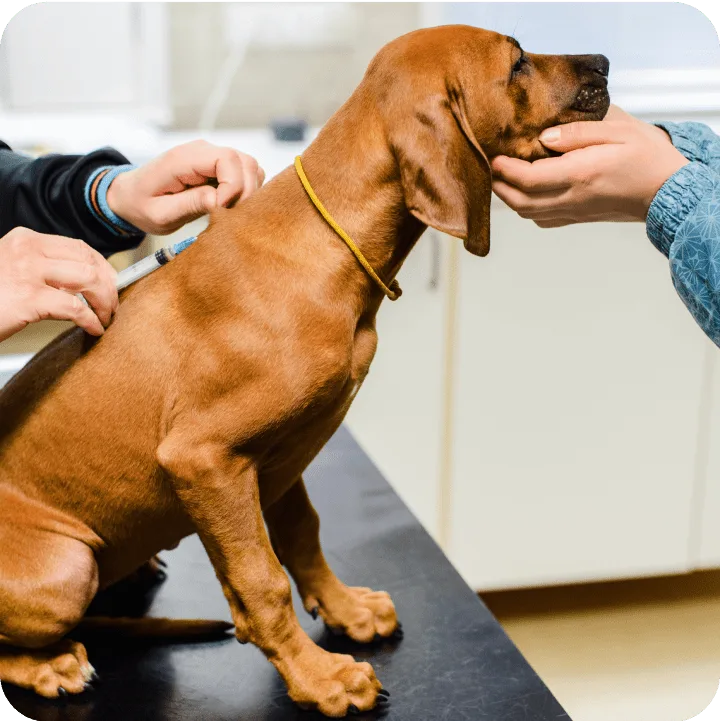
Pet Insurance for Sugery
Hearing your pet needs surgery is terrifying. The cost can be overwhelming, forcing difficult decisions. Pet insurance offers a lifeline, allowing you to focus on your pet's recovery, not the bill. It provides a crucial safety net, ensuring you can say "yes" to life-saving treatment, regardless of the cost.
Examples of How Pet Insurance Covered Surgery
At Embrace, we've seen firsthand how this coverage can make a difference. We've helped countless pets receive the care they deserve. Here are a few examples of how pet insurance has helped pets in need:
German Shepherd Needs Two CCL Surgeries: Arya tore a cranial cruciate ligament and needed surgery. After a complication, she needed another one. Pet insurance helped her family afford both procedures, and Arya recovered.
Foreign Body Surgery: Barry, a one-year-old mixed breed, has a penchant for eating things he shouldn't. Emergency surgery was required to remove remnants of a hand towel and a piece of plastic. Pet insurance helped cover the $1,500+ vet bill.
Cat's Emergency Foot Surgery: Gilbert, a cat, got his foot caught in a kitchen drawer handle, resulting in a clean break across all four metatarsals. Emergency surgery was needed to save his foot. Pet insurance helped cover the $4,000+ bill, saving Gilbert's foot.
Newfoundland Needs Knee Surgery and Rehab: Caswell, a Newfoundland puppy, began having knee problems that eventually led to a torn cranial cruciate ligament. Surgery was necessary, followed by complementary treatments including physical therapy, a water treadmill, and laser therapy. Pet insurance helped cover the substantial costs of both the surgery and rehabilitation, allowing Caswell to run comfortably and live her best life.
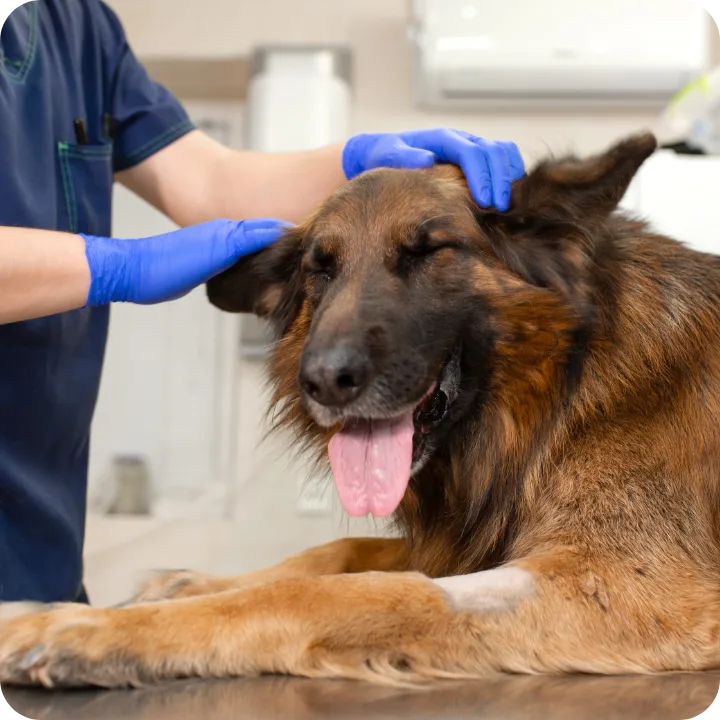
So, Does Pet Insurance Cover Surgery?
Yes, in most cases. It's a financial lifeline for unexpected procedures, from necessary treatments to emergencies. Understanding policy specifics is crucial, and at Embrace, we prioritize transparency.
Being prepared for unexpected vet costs is part of responsible pet ownership. The value of pet insurance becomes clear when facing a large bill, especially for surgery. It helps you manage those financial uncertainties, ensuring you can say "yes" to necessary treatment, including surgery, while protecting both your pet's health and your finances.
Protect your furry family member. Get a free quote from Embrace today.